

In many industrial applications, filtration is essential for maintaining system performance, protecting equipment, and ensuring product quality. Wire mesh filters are widely used across various industries, including oil and gas, chemical processing, water treatment, and HVAC systems.
Woven wire mesh, with its customizable architecture and reliable durability, is often the filtration medium of choice in applications were precision and performance matter most. However, one challenge that engineers and system designers frequently face is the pressure drop across the filter media. Minimizing pressure drop with wire mesh filters is crucial to achieving efficient, reliable, and cost-effective operation.
This article will walk you through the core principles of minimizing pressure drop with wire mesh filters, how wire mesh impacts it, and best practices for reducing resistance while maintaining filtration quality.
What Are Wire Mesh Filters?
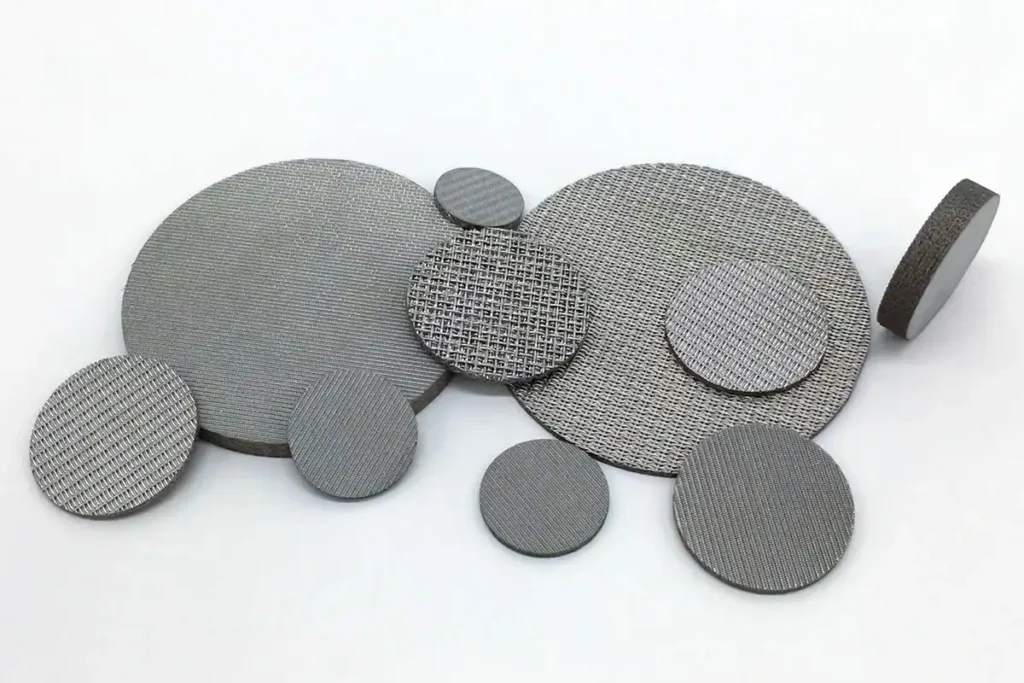
Wire mesh filters are made from woven metal wires (usually stainless steel, copper, or brass) and are known for their mechanical strength, durability, and resistance to heat and corrosion. These filters are commonly used in both liquid and gas filtration applications due to their versatility and reusability.
Wire mesh filters can vary significantly in terms of mesh size (number of openings per inch), wire diameter, weave type, and layering configuration. These variables all play a significant role in pressure drop characteristics.
Understanding Pressure Drop in Filtration Systems
Before diving into solutions, it’s important to understand what pressure drop is and why it matters. In fluid systems, pressure drop refers to the reduction in pressure as fluid flows through a system component—in this case, a wire mesh filter. This drop in pressure is a result of resistance created by the filter material as it traps particles and contaminants.
In the context of filtration, this drop occurs when a fluid encounters resistance within the filter element, such as the tiny openings and interwoven structure of a wire mesh screen. A high pressure drop indicates increased resistance, forcing pumps or compressors to work harder, leading to higher energy costs and potential system inefficiencies.
Why Is Minimizing Pressure Drop With Wire Mesh Filters Important?
While a certain amount of pressure drop is expected and even necessary for effective filtration, Minimizing Pressure Drop with Wire Mesh Filters results in:
- Energy Efficiency: A lower pressure drop reduces the workload on pumps and blowers, cutting energy consumption.
- Extended Filter Life: Excessive pressure drop can cause premature clogging, requiring frequent replacements.
- Improved Flow Rates: Maintaining optimal pressure ensures consistent fluid or gas flow, crucial for industrial processes.
Given these benefits, minimizing pressure drop with wire mesh filters is essential for cost-effective and sustainable operations.
Factors Contributing to Pressure Drop in Wire Mesh Filters
Several factors affect how much pressure drop occurs across a wire mesh filter. Understanding these variables is key to optimizing filter design and minimizing pressure drop with Wire Mesh Filters.
Mesh Size and Wire Diameter

- Finer Mesh: The Finer the mesh and the thicker the wire, the more resistance the fluid encounters, raising the pressure drop.
- Coarser Mesh: Larger mesh sizes offer less filtration precision but allow higher flow rates with lower pressure drop.
Select a mesh size that balances filtration efficiency with acceptable pressure drop levels.
Weave Type

Wire mesh filters come in different weave patterns, such as plain weave, twilled weave, or Dutch weave. Each weave type affects the open area and flow characteristics of the mesh. For example, plain weaves tend to have higher open areas and therefore lower pressure drops compared to Dutch weaves, which are tighter and denser.
Read more on wire mesh weaves.
Filter Layering

In multi-layer filters, pressure drop can increase due to compounded resistance from each layer. However, strategically combining coarse and fine layers can help trap particles effectively while managing flow resistance and minimizing pressure drop.
Optimize filter thickness based on application requirements.
Contaminant Load
As contaminants accumulate on the filter surface, they block the mesh openings, increasing resistance to flow. This is known as filter loading. Over time, this can significantly increase the pressure drop unless the filter is cleaned or replaced.
Implement regular cleaning or automated backwashing systems to minimize pressure drop with wire mesh filters.
Fluid Properties
The viscosity and density of the fluid being filtered also play a role. Higher viscosity fluids experience greater pressure drops as they move through the mesh. Similarly, temperature variations can affect fluid properties, thereby impacting pressure drop.
Flow Velocity
Higher flow rates increase turbulence, leading to a higher pressure drop, and lower flow rates reduce pressure drop but may slow down processing.
For Minimizing Pressure Drop with Wire Mesh Filters, maintain an optimal flow rate to balance efficiency and pressure drop.
Wire Mesh Material and Weave Pattern

Different wire mesh materials like SS mesh, copper, brass, and weave styles, such as plain, twilled, and Dutch, can affect flow resistance.
Choose materials and weaves that offer low resistance while maintaining durability.
Strategies for Minimizing Pressure Drop with Wire Mesh Filters
Now that we understand the contributing factors, let’s look into how minimizing pressure drop with Wire Mesh Filters is practical. The goal is to optimize filtration without sacrificing flow efficiency. Here are several effective strategies for minimizing pressure drop with wire mesh filters.
Select the Right Mesh Size and Wire Gauge
Start by carefully selecting a mesh size that balances filtration efficiency with flow performance. If your application doesn’t require extremely fine filtration, opt for a coarser mesh to reduce resistance. Minimizing Pressure Drop with Wire Mesh Filters is practical with thinner wires creating less obstruction, thereby reducing pressure drop.
However, always ensure that the selected mesh can still achieve the required filtration performance for your process.
Use High-Open-Area Mesh Designs
High-open-area mesh designs allow more fluid to pass through per unit area, reducing flow resistance. For example, a 60-mesh filter with a 50% open area will generally cause less pressure drop than a 100-mesh filter with a 30% open area, assuming similar fluid properties.
Minimizing pressure drop with wire mesh filters often starts with selecting or custom-manufacturing a mesh with the highest open area that still meets particle retention requirements.
Opt for Multi-Layer Gradient Filters
A gradient or depth-style wire mesh filter layers a coarse mesh on the outer surface and a finer mesh on the inner layers. This structure helps distribute the contaminant load more evenly and prevents rapid clogging of the finest mesh. It also minimizes sudden increases in pressure drop, extending the filter’s life.
Gradient designs are particularly useful in applications with variable or high levels of particulate contamination.
Implement Pre-Filtration
If the process fluid contains a large amount of debris or coarse particles, pre-filtration can significantly reduce the burden on the main wire mesh filter. Pre-filters with a coarser mesh can capture larger particles, allowing the finer downstream mesh to work more efficiently.
This two-stage filtration strategy is effective in minimizing pressure drop with wire mesh filters by reducing premature clogging and pressure spikes.
Ensure Proper Installation and Alignment
Additionally, minimizing pressure drop with wire mesh filters can be practical with cylindrical or pleated filter shapes which can increase surface area within a compact footprint, which helps reduce face velocity and pressure drop.
Regular Maintenance and Cleaning
Even the best-designed wire mesh filters will eventually accumulate contaminants. Regular cleaning schedules—using backflushing, ultrasonic cleaning, or chemical soaking—can help restore flow capacity and minimize pressure drop.
For critical operations, consider pressure sensors before and after the filter to monitor pressure drop in real-time. This allows you to schedule maintenance proactively and avoid system downtime.
Importance of Pressure Drop Calculation
While choosing the correct filter specifications is critical, the ability to calculate pressure drop allows engineers to fine-tune performance and identify inefficiencies in their systems. The standard equation for calculating pressure drop across a wire mesh involves variables such as flow rate, viscosity, mesh geometry, and open area percentage.
Monitoring these values helps predict when filters need cleaning, replacement, or redesign, ensuring the filtration process remains consistent and efficient over time.
Benefits of Minimizing Pressure Drop with Wire Mesh Filters
Investing in pressure drop optimization offers several measurable benefits:
- Improved Energy Efficiency: Lower pressure drop reduces the workload on pumps and compressors, leading to energy savings.
- Longer Equipment Life: Lower stress on components results in fewer breakdowns and longer service intervals.
- Consistent Process Performance: Stable flow rates and pressures improve product consistency and process reliability.
- Reduced Operational Costs: Fewer replacements, reduced energy consumption, and less downtime all translate to cost savings.
- Sustainability Gains: Efficient systems require fewer resources and generate less waste, aligning with green manufacturing goals.
Real-World Applications of Low Pressure Drop Wire Mesh
In practice, minimizing pressure drop with wire mesh filters has been successfully implemented in several key industries:
Pharmaceutical Manufacturing
Cleanroom environments require ultra-fine filtration without disturbing the air balance. Woven wire mesh filters with low-pressure drops allow consistent airflow and sterile conditions without overburdening HVAC systems.
Oil & Gas
Pipeline and downstream processing equipment often utilize wire mesh to remove particulate matter. Low-pressure drop mesh designs help maintain throughput while reducing the load on pumps, saving energy across long operational cycles.
Food & Beverage
In beverage production, wire mesh filters are used to ensure ingredient purity. Mesh screens that minimize pressure drop preserve flavor consistency while preventing system overwork.
Water Treatment
Municipal and industrial water treatment facilities require filters that balance flow rate with precision. Wire mesh filters designed to reduce pressure drop can improve the performance of sediment removal systems and reduce operational costs.
Conclusion
In any fluid filtration system, maintaining a balance between filtration efficiency and flow performance is key. Minimizing pressure drop with wire mesh filters is not just about choosing the right filter—it’s a holistic process involving design, installation, operation, and maintenance.
By selecting the appropriate mesh type, optimizing open area, implementing layered or gradient filtration, and performing regular maintenance, you can ensure that your filtration system delivers optimal performance with minimal resistance. Whether you’re designing a new system or upgrading an existing one, a thoughtful approach to wire mesh filtration will yield significant improvements in efficiency, reliability, and cost-effectiveness.
FAQ (Frequently Asked Questions)
Pressure drop refers to the reduction in fluid pressure as it passes through a filter medium. It is caused by the resistance the fluid encounters while navigating through the pores and structure of the filter. In wire mesh filters, pressure drop is influenced by mesh opening size, wire diameter, flow rate, and fluid viscosity.
Minimizing pressure drop is essential because it improves energy efficiency, reduces system strain, and lowers operational costs. Excessive pressure drop forces pumps to work harder, leading to higher power consumption, increased maintenance, and shortened equipment lifespan.
Wire mesh filters offer high permeability and customizable structures that can be tailored to balance filtration precision and flow rate. When specified correctly, woven wire mesh allows optimal fluid flow with minimal resistance, making it ideal for minimizing pressure drop in demanding industrial processes.
Several factors affect pressure drop in wire mesh filters, including:
* Mesh opening size
* Wire diameter
* Weave type
* Fluid viscosity
* Flow velocity
* Filter clogging (blinding or pegging)
* Filter configuration within the system
Plain weave is generally best for minimizing pressure drop as it provides a higher percentage of open area and lower flow resistance. While other weaves like twill and Dutch offer tighter filtration, they also increase resistance and pressure loss.
Yes, thinner wire diameters increase the open area of the mesh and reduce resistance to flow, which can significantly help in minimizing pressure drop. However, thinner wires may compromise durability, so careful consideration of the application’s mechanical demands is important.
Absolutely. By minimizing pressure drop with wire mesh filters, you reduce the energy load on pumps and compressors, resulting in lower electricity consumption and improved system efficiency over time.
Yes, many woven wire mesh filters are reusable and can be cleaned multiple times without losing structural integrity—especially when made from durable alloys like stainless steel. This makes them a cost-effective and sustainable filtration solution.
Yes, wire mesh filters can be customized in terms of mesh count, wire diameter, weave type, thickness, and material. This level of customization is key for designing filters that achieve optimal performance while minimizing pressure drop.
Pressure drop can be calculated using specialized formulas that consider factors such as fluid viscosity, flow rate, and mesh characteristics like open area and weave type. Engineers often use pressure drop coefficient charts or CFD software for precise modeling.